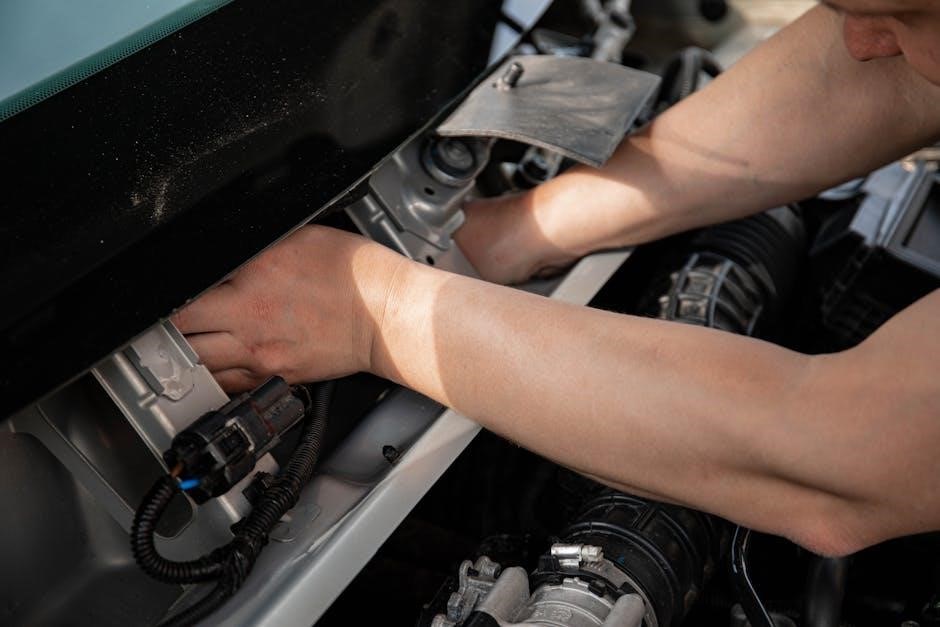
Genie GS-1930 Parts Manual: A Comprehensive Overview
This manual details every component of the GS-1930, aiding in efficient repairs, maintenance, and ensuring optimal operational longevity for your lift.
The Genie GS-1930 is a widely utilized telescopic boom lift, renowned for its versatility and compact size, making it ideal for indoor and outdoor maintenance tasks. This robust machine provides excellent reach and lifting capacity, commonly found in construction, warehousing, and facility management.
Understanding its intricate parts is crucial for safe and effective operation, as well as for performing necessary repairs and preventative maintenance. This parts manual serves as an essential resource for technicians, operators, and anyone involved in the upkeep of a GS-1930. Proper identification and replacement of components directly impact performance and longevity.
Safety Precautions & Manual Usage
Prior to any maintenance or repair work on the Genie GS-1930, disconnect the battery to prevent accidental operation. Always wear appropriate personal protective equipment (PPE), including safety glasses and gloves. Ensure the lift is properly supported and stable before commencing any work.
This manual is intended for qualified personnel familiar with aerial work platform maintenance. Carefully read and understand all instructions before attempting any repairs. Incorrect procedures can lead to machine damage, injury, or even death. Refer to the full Genie operator’s manual for complete safety guidelines and operational procedures.
Understanding the Genie GS-1930’s Core Components
The Genie GS-1930 boasts a robust design, centered around its chassis, mast, and power systems. The chassis provides a stable base, while the telescopic mast facilitates vertical reach. A 24-volt DC electrical system powers the lift, and a hydraulic system enables platform elevation.
Understanding the interplay between these components is crucial for effective troubleshooting and repair. This section will detail each system, providing a foundational knowledge for parts identification and replacement. Familiarity with these core elements will streamline maintenance procedures and ensure safe operation.
Chassis & Frame Assembly
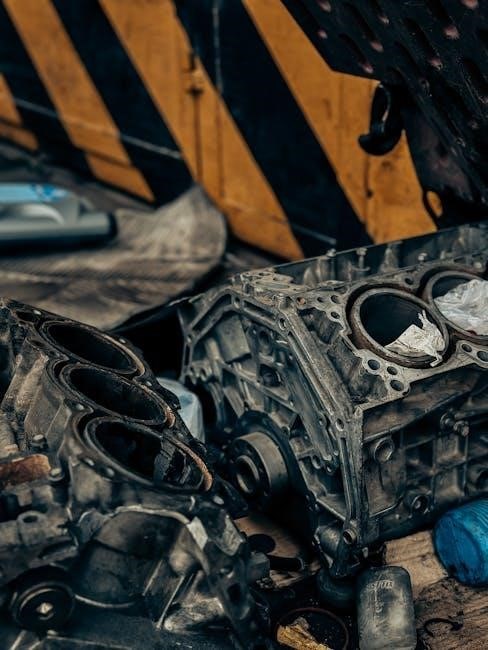
The GS-1930’s chassis is a welded steel construction, providing a durable and rigid foundation. Key components include the base frame, scissor arms, and various mounting brackets. Inspect regularly for cracks, corrosion, or deformation, particularly at weld points.
Essential parts within this assembly are the shear bolts (designed to protect the drive train), axle supports, and the steering mechanism. Proper alignment of the chassis is vital for smooth operation and stability. Replacement parts must meet Genie’s specifications to maintain structural integrity and safety standards.
Mast & Lift Mechanism
The Genie GS-1930 utilizes a robust scissor stack mast for vertical lift. This mechanism comprises multiple scissor arms connected by pivot points and hydraulic cylinders. Regular inspection of these pivot points for wear and lubrication is crucial.
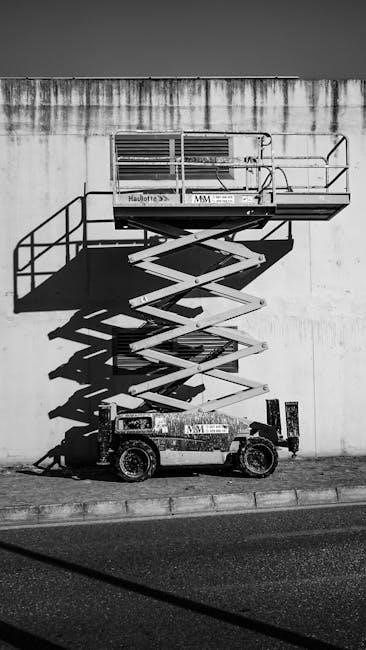
Key components include the mast rollers, slide pads, and the upper and lower mast assemblies. Ensure proper functionality of the chain drive system responsible for synchronizing the scissor arms. Damaged or worn parts can compromise lift stability; always use genuine Genie replacement parts for optimal performance and safety.
Power System – Electrical Components
The GS-1930’s power system relies on a 24-volt DC electrical architecture. This section details the critical electrical components, including the main control board, emergency stop switches, and various sensors. Understanding the wiring schematics is vital for accurate troubleshooting and repair.
Inspect all wiring harnesses for damage, corrosion, or loose connections. Pay close attention to the battery charger and its associated circuitry. Proper functioning of these components ensures reliable operation and prevents unexpected shutdowns. Always disconnect the battery before performing any electrical work.
Batteries & Charging System
The Genie GS-1930 utilizes a 24-volt battery system, typically consisting of eight 6-volt lead-acid batteries connected in series. Regular inspection of battery terminals for corrosion and proper electrolyte levels is crucial. The onboard charger converts standard AC power to DC for battery replenishment.
Ensure the charger is functioning correctly and that the charging cycle completes without errors. Always use a compatible charger specified by Genie. Improper charging can significantly reduce battery life and performance. Replacement batteries must match the original specifications for optimal system operation.
Control Panel & Wiring Harness
The GS-1930’s control panel houses the essential switches, indicators, and emergency stop functionality. A comprehensive wiring harness connects all electrical components, including the control panel, batteries, motors, and sensors. Inspect wiring for damage – frayed insulation, loose connections, or corrosion – which can cause intermittent operation or complete failure.
Always disconnect the battery before working on the electrical system. Replacement wiring harnesses must match the original Genie specifications. Proper labeling of wires during disassembly is vital for correct reassembly. Refer to the wiring diagrams for accurate connections and troubleshooting.
Hydraulic System – Detailed Breakdown
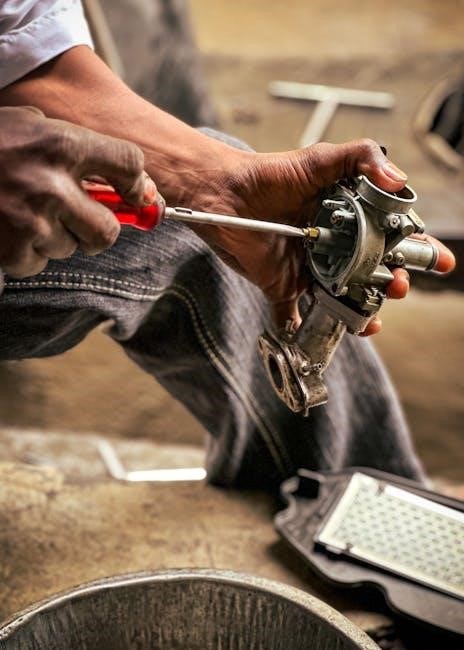
The Genie GS-1930 utilizes a robust hydraulic system to power the lift mechanism. This system relies on hydraulic fluid, a pump, motor, cylinders, and hoses to deliver smooth and controlled lifting and lowering. Maintaining proper fluid levels and ensuring the system remains free of contamination are crucial for optimal performance and longevity.
Regular inspection of hoses and fittings for leaks is essential. Any damaged components should be replaced immediately to prevent system failure and potential safety hazards. Always use Genie-approved hydraulic fluid.
Hydraulic Pump & Motor
The hydraulic pump, typically a gear or vane type, draws fluid from the reservoir and delivers it under pressure to the lift cylinders. The hydraulic motor converts this fluid pressure back into mechanical energy, driving the pump. Proper function of both is vital for lift operation.
Inspect the pump and motor for leaks, unusual noises, and smooth operation. Check mounting bolts for tightness. Replacement should only be performed by qualified technicians using Genie-approved parts to maintain system integrity and safety.
Cylinders & Hoses – Identification & Replacement
Hydraulic cylinders extend and retract the boom, providing the lifting force. Hoses transmit fluid under high pressure; proper identification is crucial for correct replacement. Always refer to the parts diagram to ensure you’re using the correct cylinder or hose for its specific location.
Before disconnecting any hose, relieve system pressure. Inspect hoses for cracks, abrasions, and leaks. Damaged cylinders should be replaced, not repaired. Use only Genie-approved hoses and fittings, rated for the system’s pressure, to prevent failures.
Drive System & Tires
The Genie GS-1930 utilizes a 2-wheel drive system, providing maneuverability and traction. This section covers the drive motors, controllers, and tire specifications essential for maintaining mobility. Regular inspection of the drive motors for wear and tear is vital, alongside checking controller functionality;
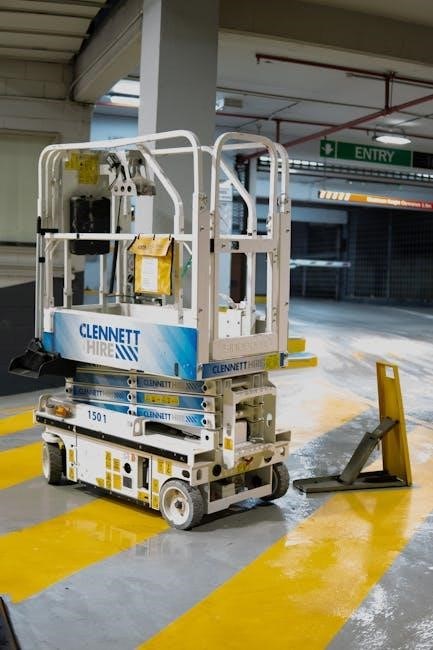
Tire condition significantly impacts stability; ensure proper inflation and tread depth. Replacement tires must match the original specifications for load capacity and size. Damaged or worn tires compromise safety and performance, necessitating immediate attention.
Drive Motors & Controllers
The GS-1930 employs two independent 24V DC drive motors, powering the wheels for propulsion and steering. These motors are electronically controlled via a dedicated controller module, regulating speed and direction. Troubleshooting involves checking motor brushes for wear, verifying wiring connections, and testing controller output signals.
Controller faults often manifest as erratic movement or complete drive failure. Replacement controllers must be programmed to match the specific GS-1930 configuration. Always disconnect the battery before servicing these components to prevent electrical shock.
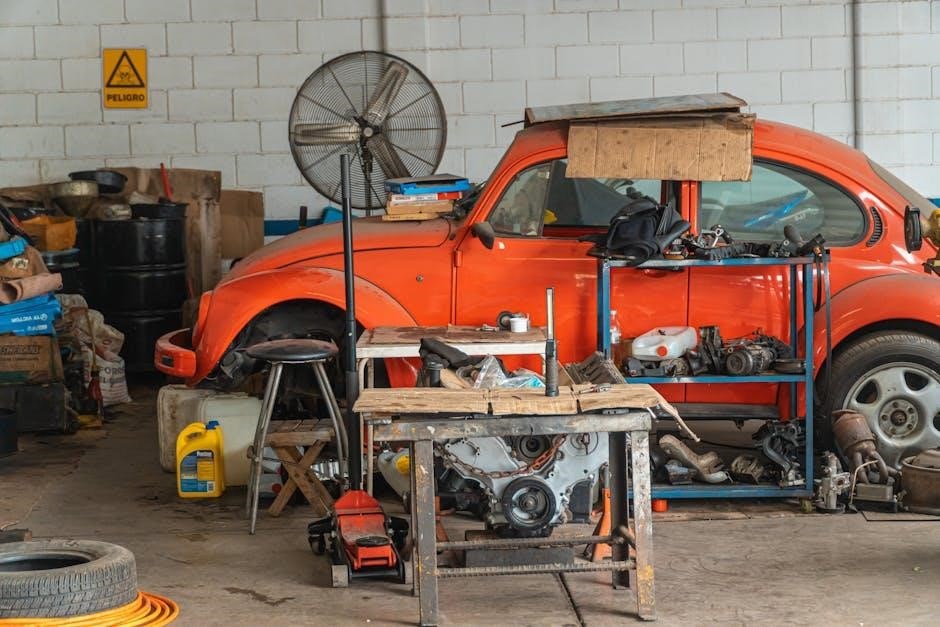
Tire Specifications & Maintenance
The Genie GS-1930 utilizes solid rubber, non-marking tires, typically sized 200/70-8. Maintaining proper tire inflation (though non-pneumatic, check for debris embedding) is crucial for stability and maneuverability. Regularly inspect tires for cuts, chunks, or excessive wear, which can compromise performance and safety.
Uneven wear indicates potential alignment issues or uneven load distribution. Tire replacement should be performed in pairs to maintain balanced traction. Avoid operating on surfaces that could cause rapid tire degradation. Proper tire condition extends the lifespan of the drive system.
Platform & Guardrails – Safety Features
The Genie GS-1930 platform and guardrail system are paramount for operator safety. Guardrails must be securely fastened and free from damage; inspect for bends, cracks, or missing hardware before each use. The platform features a swing-out tray for material loading, with a specified weight limit – never exceed this.
Ensure the platform floor is clean and free of obstructions. Regularly check the platform latch mechanism for proper function. Damaged or missing components must be replaced immediately. Proper functioning of these safety features prevents falls and ensures a secure work environment.
Common Genie GS-1930 Parts & Their Functions
Frequently replaced parts on the GS-1930 include the drive tires, hydraulic hoses, and platform latch assemblies. The hydraulic pump provides power for lifting and lowering, while the control panel manages all machine functions. Batteries are crucial for electrical operation, and the charging system maintains their power.
Worn tires impact maneuverability, and leaking hoses reduce lift capacity. A faulty platform latch compromises safety. Understanding each part’s role aids in accurate diagnosis and efficient repair, minimizing downtime and maximizing productivity.
Troubleshooting Common Issues & Part Identification
Common problems include erratic movement, often traced to the control panel or wiring harness (part #889988). Loss of lift capacity frequently indicates a hydraulic leak, pinpointing issues with hoses or the pump (part #887766). Electrical faults can stem from battery problems or damaged wiring.
Identifying the correct part is crucial; use the serial number for accurate matching. This section details diagnostic steps and corresponding part numbers, streamlining repairs and reducing guesswork. Always prioritize safety when troubleshooting and consult diagrams for proper component location.
Electrical System Faults & Solutions
Frequent electrical issues involve depleted batteries (part #885544) or a faulty charging system. Check connections for corrosion and ensure proper voltage readings. A non-responsive control panel (part #889988) often indicates a blown fuse or damaged wiring harness. Utilize a multimeter to test continuity and identify shorts.
Inspect the emergency stop switch (part #890011) for proper function. Solutions range from simple fuse replacement to more complex wiring repairs or component substitutions. Always disconnect the battery before working on the electrical system to prevent accidental shock.
Hydraulic System Leaks & Repairs
Hydraulic leaks (often from hoses ⏤ part #886677 or cylinders ー part #887766) are common and require immediate attention. First, identify the leak source – check fittings, hoses, and cylinder seals. Tighten loose fittings, but avoid over-tightening. If a hose is damaged, replace it with a Genie-approved equivalent.
For cylinder leaks, seal replacement may be necessary, requiring specialized tools and knowledge. Always relieve hydraulic pressure before disconnecting any lines. Ensure the hydraulic oil reservoir is full and free of contaminants. Regularly inspect hoses for wear and tear to prevent future leaks.
Ordering Replacement Parts – Where to Source
Genuine Genie GS-1930 parts are crucial for maintaining performance and safety. You can order directly through Genie’s official website (www.genielift.com) or authorized Genie distributors. Local equipment parts suppliers often stock common items like filters (part #992248) and wear pads.
When ordering, always have the part number, model number (GS-1930), and serial number of your machine readily available. Several online parts retailers also carry Genie components, but verify their authenticity. Beware of counterfeit parts, as they can compromise machine integrity and void warranties.
Maintenance Schedule & Recommended Parts
Regular maintenance extends the life of your Genie GS-1930. Every 6 months, inspect and replace air filters (992248), hydraulic fluid (Genie part #309042), and check battery terminals for corrosion. Annually, replace drive tires, inspect all hoses for wear, and lubricate pivot points.
Keep a stock of essential parts: hydraulic oil, filters, fuses, and wear pads. A 24-month inspection should include cylinder seals and a thorough electrical system check. Refer to the full Genie GS-1930 maintenance guide for detailed intervals and part specifications.
Detailed Parts Diagrams – Key Assemblies
This section provides exploded views of critical GS-1930 assemblies. Diagrams illustrate the chassis, mast, platform, hydraulic system, and electrical components with clearly labeled parts. Each diagram includes a comprehensive parts list with Genie part numbers for easy identification and ordering.
Key assemblies covered include the scissor stack, hydraulic power unit, steering mechanism, and control panel. These visual guides simplify repairs and component replacement, ensuring accurate assembly. Refer to these diagrams alongside the parts list for optimal results.
Torque Specifications for Fasteners
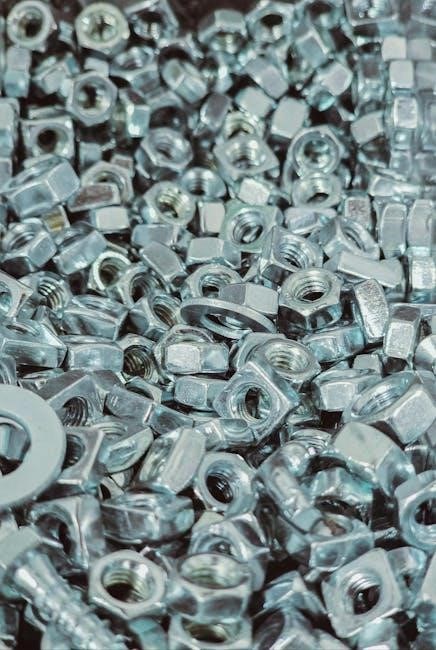
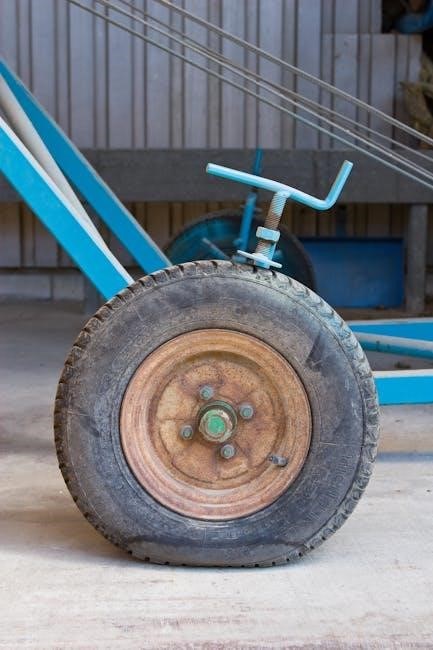
Maintaining proper torque is crucial for GS-1930 safety and longevity. This section details the precise torque values for all fasteners used throughout the machine, categorized by size (e.g., M8, M10, M12) and grade.
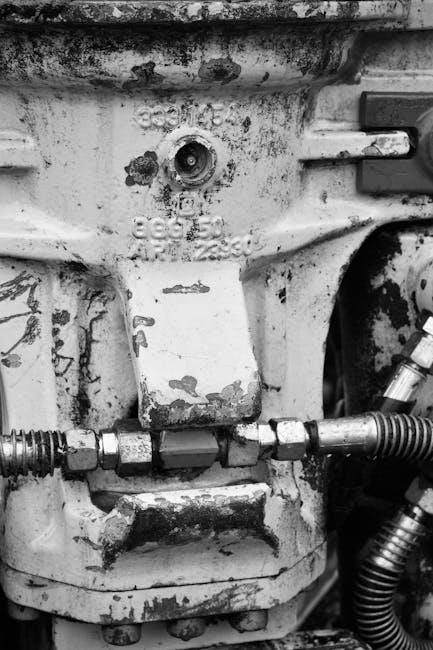
Specifications cover critical components like the chassis, mast assembly, platform, and hydraulic connections. Using a calibrated torque wrench is essential to prevent over-tightening (causing damage) or under-tightening (leading to loosening and potential failure). Refer to this chart during any repair or maintenance involving fastener removal and reinstallation.
Warranty Information & Parts Eligibility
Genie GS-1930 parts are covered by a limited warranty, dependent on the original purchase date of the machine and the specific part itself. This section outlines the terms and conditions of that warranty, including what is covered (defects in materials and workmanship) and what is not (wear items, misuse, or improper installation).
To be eligible for warranty claims, parts must be purchased through authorized Genie distributors and installed by qualified technicians. Proof of purchase and a detailed description of the issue are required. Refer to the full warranty document for complete details.
Contact Information – Genie Support & Distributors
For direct assistance with parts inquiries, technical support, or warranty claims, please contact Genie Industries’ customer service department. You can reach them via phone at 1-800-875-5438 or through their website at www.genielift.com. Their online portal offers access to parts catalogs, documentation, and troubleshooting guides.
To locate an authorized Genie distributor nearest you, utilize the “Find a Distributor” tool on the Genie website. Authorized distributors can provide genuine Genie GS-1930 parts, expert advice, and local service support. Always source parts from authorized channels to ensure quality and warranty validity.