Dog Harness Size Guide: A Comprehensive Overview (Updated 12/04/2025)
Today’s date is 12/04/2025! A well-fitted harness enhances walks, especially for energetic dogs, offering comfort and control during adventures with your beloved companion.
Understanding the Importance of Proper Harness Fit

A correctly fitted dog harness is paramount for your canine companion’s safety and well-being. Unlike collars, harnesses distribute pressure evenly across the chest, reducing the risk of tracheal damage or neck strain, particularly during walks or sudden pulls.
Proper fit prevents chafing and rubbing, ensuring a comfortable experience for your dog. A secure harness minimizes escape risks, offering peace of mind during outdoor adventures. Choosing the right size and adjusting it correctly allows for unrestricted movement, promoting healthy posture and preventing discomfort. Ignoring proper fit can lead to injury or a negative association with walks, impacting your dog’s quality of life and enjoyment of activity.
Why Use a Harness Instead of a Collar?
Harnesses offer significant advantages over traditional collars, prioritizing your dog’s comfort and safety. Collars concentrate pressure on the neck, potentially causing injury, especially with energetic or reactive dogs. Harnesses distribute pressure across the chest and shoulders, minimizing strain and reducing the risk of tracheal damage.
For dogs prone to pulling, a harness provides better control and discourages this behavior without causing discomfort. They are especially beneficial for breeds with delicate necks or existing respiratory issues. Furthermore, harnesses prevent slipping or escape, offering enhanced security during walks. A harness is a kinder, safer, and more comfortable option for many dogs, promoting enjoyable outings for both pet and owner.
Different Types of Dog Harnesses & Their Fit Considerations
Dog harnesses come in various designs, each requiring specific fitting attention. Front-clip harnesses redirect pulling, needing snug chest and neck straps for optimal control. Back-clip harnesses are simpler to fit, focusing on a secure chest strap that doesn’t restrict shoulder movement.
Step-in harnesses require careful leg hole adjustment to prevent chafing and ensure a secure fit. Full-body harnesses, often used for larger breeds, demand precise measurements of chest, neck, and back length. Proper fit varies by style; always consult the manufacturer’s size chart and prioritize comfort. A well-fitted harness allows full range of motion without slipping or rubbing;
Front-Clip Harnesses & Size Adjustments
Front-clip harnesses excel at discouraging pulling by redirecting your dog’s momentum. Accurate sizing is crucial; measure your dog’s chest girth at its widest point, ensuring the harness isn’t too tight or loose. Adjust the chest strap first, allowing two fingers to comfortably fit underneath.
Next, adjust the neck strap to prevent escape, but avoid constriction. The front clip should sit centered on the chest. Regularly check for chafing under the armpits, as this area is prone to rubbing. Proper adjustment ensures the harness effectively manages pulling without causing discomfort or restricting movement during walks.
Back-Clip Harnesses & Measurement Points
Back-clip harnesses are a popular choice for everyday walks and are generally easier to fit. Key measurement points include chest girth and neck girth. Begin by measuring the chest – the harness should fully encompass the ribcage without digging in.
The neck opening needs to be snug enough to prevent slipping over the head, but loose enough to allow comfortable breathing. Adjust both straps simultaneously to achieve a balanced fit. Ensure the back clip is positioned high on the back, between the shoulder blades, to avoid restricting movement. Regularly assess for rubbing or chafing, particularly during longer walks.
Step-In Harnesses: Ensuring a Secure Fit
Step-in harnesses offer a convenient option, particularly for dogs who dislike having things pulled over their heads. Accurate chest girth measurement is paramount for these harnesses. The harness should allow the dog to comfortably step into it, with the straps resting securely behind the front legs.
Once in place, adjust the straps to ensure a snug, but not restrictive, fit. Check that the harness doesn’t impede shoulder movement. A secure fit prevents escape, so test by gently lifting upwards on the harness – it shouldn’t easily slide over the dog’s head or body; Regularly inspect the buckles and straps for wear and tear.
Essential Measurements for Dog Harness Sizing
Achieving a proper harness fit begins with accurate measurements. Three key areas require attention: chest girth, neck girth, and back length. Chest girth, measured around the widest part of the ribcage, is the most crucial measurement for most harnesses.
Neck girth, measured around the base of the neck where a collar would sit, ensures comfort and prevents the harness from slipping. Back length, from the base of the neck to the base of the tail, is particularly important for full-body harnesses. Use a flexible measuring tape, keeping it snug but not tight, and record measurements in inches or centimeters.
Chest Girth: The Primary Measurement
Chest girth is the foundation of accurate harness sizing. Locate the widest point of your dog’s ribcage, typically behind the front legs. Wrap a flexible measuring tape around this area, ensuring a snug – but not constricting – fit.
Avoid measuring too tightly or loosely; you should be able to comfortably slide two fingers under the tape. Record the measurement in inches or centimeters. This single measurement often dictates the harness size range you should consider. Always refer to the specific brand’s size chart, as variations exist. Prioritize a harness allowing adjustment within this girth range for a customized fit.
Neck Girth: Crucial for Comfort and Security
Neck girth ensures the harness stays securely in place without causing discomfort. Measure around the base of your dog’s neck, where the harness straps will sit. Again, use a flexible measuring tape and maintain a snug, yet comfortable fit – allowing space for two fingers to slide underneath.

This measurement is particularly important for harnesses designed to prevent slipping or escape. A neck girth that’s too loose compromises security, while one that’s too tight restricts breathing and causes chafing. Consult the brand’s size chart, noting the acceptable neck girth range for your chosen harness style. Proper neck fit contributes significantly to overall harness stability.
Back Length: Important for Full-Body Harnesses
Back length is a critical measurement primarily for full-body or Y-shaped harnesses. It determines how much of your dog’s torso the harness covers, impacting both comfort and freedom of movement. Measure from the base of the neck (where the harness sits) to the base of the tail.
Ensure the harness doesn’t extend too far forward, hindering shoulder movement, or too far back, potentially rubbing the hips. A properly sized harness will distribute pressure evenly across the chest and back. Always refer to the specific brand’s sizing guide, as back length requirements vary considerably between designs. Accurate measurement prevents restriction and maximizes comfort during walks.
Decoding Harness Size Charts: Brand Variations
Navigating dog harness size charts can be surprisingly complex due to significant variations between brands. What constitutes a “Small” in one brand might fit like a “Medium” in another. Always prioritize measuring your dog and comparing those measurements directly to each brand’s specific chart.
Don’t assume consistency! Some brands use imperial measurements (inches), while others use metric (centimeters). Pay close attention to the measurement points each chart requests – chest girth is common, but neck and back length inclusion varies. When in doubt, opt for the larger size within the acceptable range, allowing for adjustments. Thorough chart review prevents ill-fitting harnesses.
Sizing Puppies: Accounting for Growth
Sizing a harness for a puppy presents a unique challenge: they grow quickly! Avoid buying a harness that’s “too big to grow into,” as a poor fit can cause chafing or allow escape. Instead, measure frequently – every two weeks is ideal – and choose a harness that fits now with some adjustability.
Consider adjustable harnesses specifically. Many brands offer harnesses with extensive adjustment ranges. Alternatively, you might initially opt for a smaller, less expensive harness for the early stages, knowing it will be replaced as your puppy matures. Prioritize comfort and safety over future-proofing; a snug, secure fit is paramount for a growing pup.

Adjusting the Harness for a Perfect Fit
Achieving a perfect harness fit isn’t a one-time event; it requires careful adjustment! Begin by loosening all straps, then gently put the harness on your dog. Gradually tighten each strap, ensuring a snug – but not restrictive – fit. The harness should move with your dog, not bind or slip.
Employ the “two-finger rule” for tightness. You should be able to comfortably slide two fingers between the harness and your dog’s body. Regularly check for chafing, especially in sensitive areas like armpits and groin. Proper adjustment maximizes comfort and prevents escape during walks, ensuring a safe and enjoyable experience for both of you.
Tightness Test: The Two-Finger Rule
The “two-finger rule” is a simple, effective method for assessing harness tightness! Once the harness is on your dog, attempt to slide two fingers horizontally between the harness straps and your dog’s body – at the chest and shoulder blades.
If you can easily slide two fingers, the fit is good. If you can’t, the harness is too tight and restricts movement. Conversely, if there’s excessive space, it’s too loose and could slip off. This test ensures a secure, comfortable fit, preventing chafing and allowing your dog full range of motion during walks. Regularly perform this check, especially after adjustments!
Checking for Chafing and Rubbing
Post-walk inspection is crucial for identifying potential discomfort! After each walk, carefully examine your dog’s skin under and around the harness straps. Look for any signs of redness, irritation, or raw spots – these indicate chafing or rubbing.
Pay close attention to areas where the harness makes direct contact, like the armpits and chest. If you notice any irritation, loosen the straps slightly or consider a harness with softer, padded edges. Consistent chafing can lead to skin infections, so proactive monitoring and adjustment are essential for your dog’s well-being and a pleasant walking experience.
Common Fitting Mistakes to Avoid
Rushing the fitting process is a frequent error! Many owners don’t dedicate enough time to properly adjust the harness, leading to discomfort or escape risks. Assuming sizing is universal across brands is another mistake; size charts vary significantly.
Over-tightening is detrimental, restricting movement and causing chafing. Conversely, a loose harness allows slipping and reduces control. Ignoring your dog’s reactions – pulling, scratching, or discomfort – is a missed opportunity for adjustment. Finally, failing to re-evaluate the fit as your dog grows or gains/loses weight can render the harness ineffective and uncomfortable.
Harnesses for Specific Breeds: Considerations
Breed conformation significantly impacts harness fit. Deep-chested breeds, like Greyhounds, require harnesses avoiding pressure on the sternum, often benefiting from Y-shaped designs. Short-legged breeds, such as Dachshunds, need harnesses preventing rubbing under the front legs; adjustable straps are crucial.
Broad-chested breeds, including Bulldogs, may struggle with standard harnesses; look for wider chest plates and adjustable girths. Consider the dog’s build – muscular versus lean – when selecting a size. Always prioritize harnesses designed to distribute pressure evenly, avoiding chafing or restriction, and remember that individual dogs within a breed can vary!
Harness Fit for Deep-Chested Breeds (e.g., Greyhounds)
Deep-chested breeds like Greyhounds present unique fitting challenges. Standard harnesses can dig into their sternum, causing discomfort and potentially restricting breathing. Y-shaped harnesses are often ideal, allowing the chest to expand freely and distributing pressure across the shoulders.
Carefully measure the chest girth at its deepest point, ensuring the harness doesn’t constrict movement. Look for adjustable straps, particularly around the chest, to achieve a snug but comfortable fit. Avoid harnesses with rigid frames that could press against the ribcage. Prioritize soft, padded materials to minimize chafing during walks and activity.
Harness Fit for Short-Legged Breeds (e.g., Dachshunds)
Short-legged breeds, such as Dachshunds, require harnesses that avoid restricting their low-to-the-ground stature. Traditional harnesses can sometimes impede their natural gait. Look for harnesses designed with a shorter profile, minimizing bulk around the front legs and belly.
Accurate chest girth measurement is crucial, but also pay attention to the harness’s length. Avoid harnesses that extend too far forward, potentially causing tripping or discomfort. Adjustable straps are essential for a customized fit. Consider a vest-style harness that distributes pressure evenly and allows for a full range of motion during their distinctive waddle!
Harness Fit for Broad-Chested Breeds (e.g., Bulldogs)
Broad-chested breeds like Bulldogs present unique fitting challenges. Standard harnesses often struggle to navigate their wide pectoral muscles, leading to discomfort or slippage. Prioritize harnesses specifically designed for broad-chested dogs, featuring adjustable chest straps that accommodate their build.
Carefully measure the chest girth at its widest point, ensuring the harness doesn’t constrict breathing or movement. Look for Y-shaped designs that sit high on the chest, avoiding pressure on the trachea. Padding is essential to prevent chafing. Avoid harnesses that dig into the armpits; a snug, but not tight, fit is paramount for these powerful pups!
No-Pull Harnesses: Specific Fit Requirements
No-pull harnesses, often front-clip designs, require precise fitting for optimal effectiveness. Unlike standard harnesses, a secure fit is crucial to redirect pulling without causing discomfort. Ensure the chest strap sits high on the sternum, preventing restriction of the shoulders. The front clip should be positioned slightly towards the center of the chest, not directly on the throat.
Proper adjustment of all straps is vital – snug enough to prevent escape, but allowing a full range of motion. Check for chafing under the armpits, especially during initial use. A correctly fitted no-pull harness gently steers the dog to the side when they pull, promoting a more enjoyable walking experience for both of you.
Where to Buy Dog Harnesses and Get Professional Fitting Advice
Dog harnesses are widely available at various retailers, including large pet store chains like PetSmart and Petco, offering a broad selection of brands and styles. Online marketplaces such as Amazon and Chewy provide convenience and competitive pricing, alongside extensive customer reviews. Specialty outdoor and sporting goods stores, like REI, often carry durable, high-quality harnesses.
For professional fitting advice, consider visiting a local pet supply store with knowledgeable staff. Many veterinary clinics also offer harness fitting services, ensuring a safe and comfortable fit for your dog. Professional dog trainers can provide guidance on harness selection and proper usage, particularly for no-pull designs.
Recognizing When Your Dog Has Outgrown Their Harness
Regularly assess your dog’s harness fit, especially during growth spurts in puppies or weight fluctuations in adult dogs. Signs a harness is too small include redness, chafing, or visible strain when adjusting the straps. If you’re at the maximum adjustment and the harness feels snug, it’s time for a larger size.
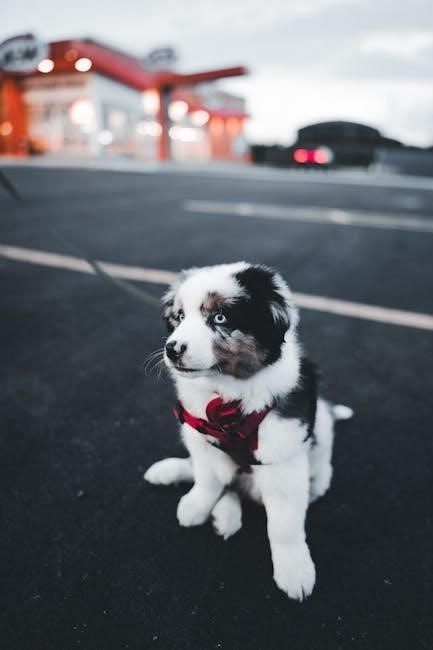
Observe your dog’s movement; a properly fitted harness shouldn’t restrict their gait or cause discomfort. Check the chest and neck girth measurements against the manufacturer’s size chart every few months. A harness that slips easily, even when tightened, indicates it’s too large and needs replacing or adjusting.
Troubleshooting Harness Fit Issues
If your harness is slipping, double-check all straps for proper tightness and ensure the chest strap is securely positioned – not too high on the neck. For a harness restricting movement, loosen the straps incrementally, allowing a full range of motion without compromising security.
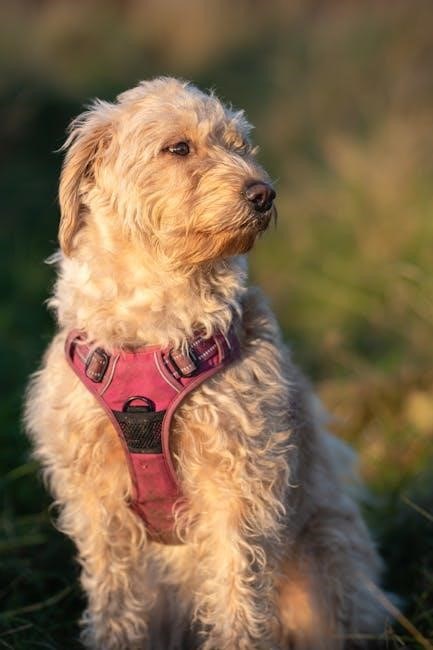
Chafing can often be resolved by adjusting the strap placement or adding padding. Persistent issues may indicate an incorrect harness type for your dog’s build. Consider consulting a professional fitter for personalized advice. Remember, a comfortable and secure fit is crucial for enjoyable walks and your dog’s well-being.
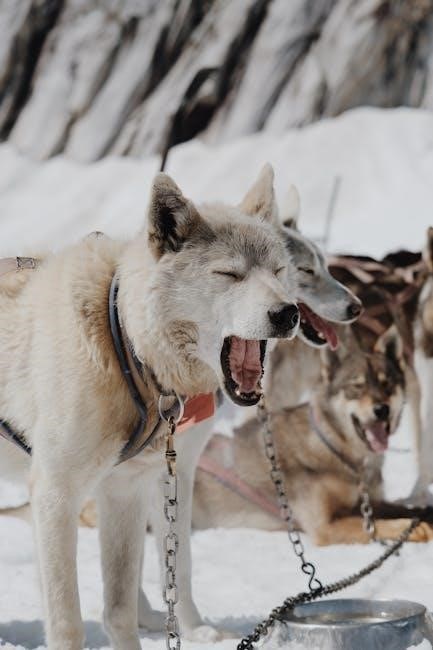
Harness Slipping or Coming Loose
A slipping harness often indicates insufficient tightness, particularly in the chest or shoulder straps. Re-evaluate your measurements and ensure the harness isn’t too large. Check the buckles regularly to confirm they are securely fastened and haven’t loosened during activity.
If the harness continues to slip, consider a model with additional adjustment points or a more snug fit. Dogs with slender builds may require harnesses specifically designed for their body type. Always perform the two-finger test to verify a secure, yet comfortable, fit. A properly fitted harness stays put, even during energetic play!
Harness Restricting Movement
A restrictive harness can hinder your dog’s natural gait and range of motion, causing discomfort and potentially leading to chafing. Ensure the harness allows for full shoulder movement – the legs shouldn’t be rubbing against the straps. Check for tightness around the chest and back; it shouldn’t compress the ribcage.
Observe your dog’s movement while wearing the harness. Look for signs of discomfort like stiffness, reluctance to move, or altered posture. Consider a harness with a wider chest plate or more flexible materials if restriction is observed. Proper adjustment is key to a comfortable and unrestricted fit, promoting happy and healthy walks!